Your Company Uses AI. That Doesn’t Make It AI-Native. Here’s the Difference.
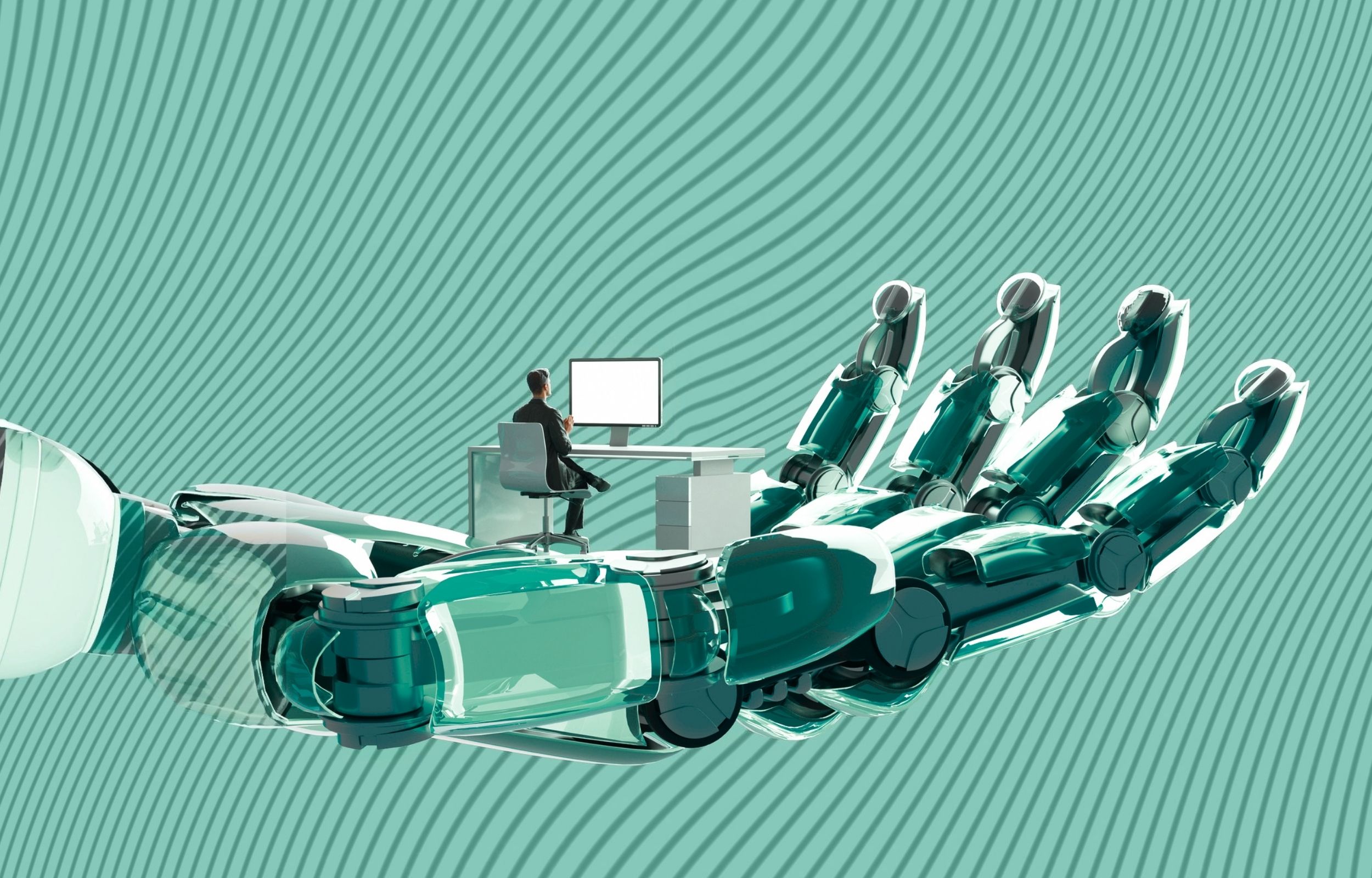
Being AI-native has almost nothing to do with your tech stack and everything to do with how your work is designed, staffed and measured.
The distinction between using AI and being AI-native is crucial, especially for businesses in the barter industry. Many companies may claim to be leveraging AI, but that doesn't necessarily mean they've transformed their core operations to be AI-driven. The article highlights that being AI-native is more about the company's DNA, its approach to work, staffing, and metrics, rather than just the technology stack.
For barter businesses, being AI-native could mean using AI to fundamentally change the way they facilitate trades, match buyers and sellers, or optimize their exchange processes. It's not just about automating manual tasks, but about creating new business models, products, or services that are enabled by AI. As the barter industry continues to evolve, companies that are AI-native will likely have a competitive edge in terms of efficiency, innovation, and customer experience.
So, what to watch next? Barter companies that claim to be using AI should be scrutinized on whether they've truly transformed their operations to be AI-driven. Look for companies that are using AI to create new value propositions, improve their exchange rates, or enhance their customer engagement. As AI continues to advance, the barter industry can expect to see more innovative applications of AI-native business models, and companies that are early adopters will likely reap the benefits.
Originally reported by entrepreneur.com. BarterNewsletter adds analysis for business & startups readers.